AI Executive Assistant
A completed AI-assisted workflow application for scheduling, correspondence, and task prioritization, designed around review before action.
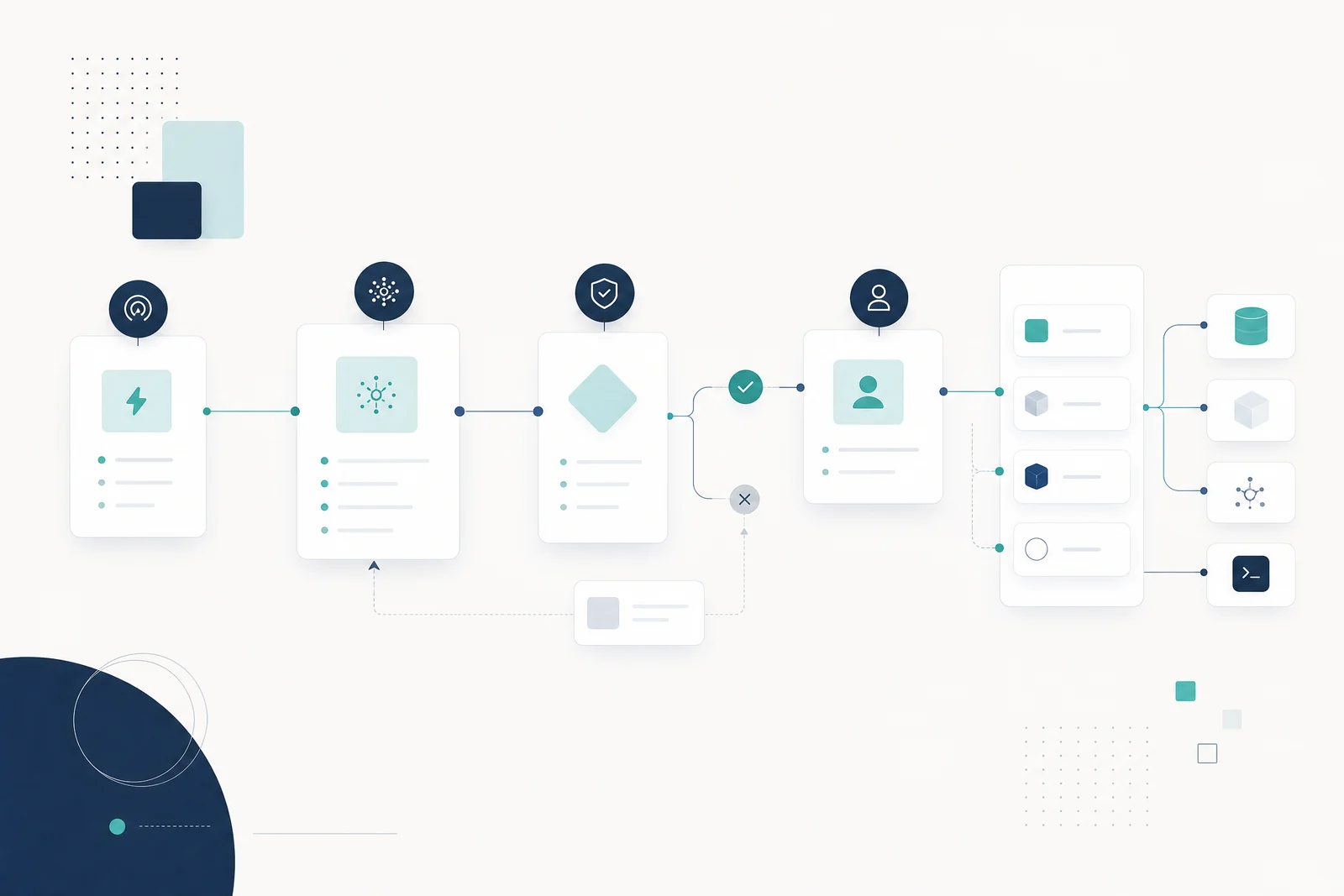
Administrative requests often arrive as messages that still require interpretation before a calendar, email, or task system can be changed. This project explored a practical assistant that prepares useful actions while keeping a human checkpoint before execution.
Use an LLM to classify the intent of a scheduling, correspondence, or task request.
Convert the request into a proposed reply or structured action rather than an uncontrolled side effect.
Allow the person to inspect the interpretation and draft before anything is sent or executed.
Connect the assistant to the tools needed for the approved action.
Useful automation needs boundaries, not only intelligence.
- Ambiguous requests: intent parsing can produce an incomplete interpretation, so the workflow needs a reviewable intermediate state.
- External side effects: calendar, email, and task actions should be explicit and controlled.
- Evaluation: time savings and reliability need representative workflow tests; they are not claimed here without measurements.
Interested in practical AI workflows?
See how the other projects apply AI, systems, and automation to different problems.